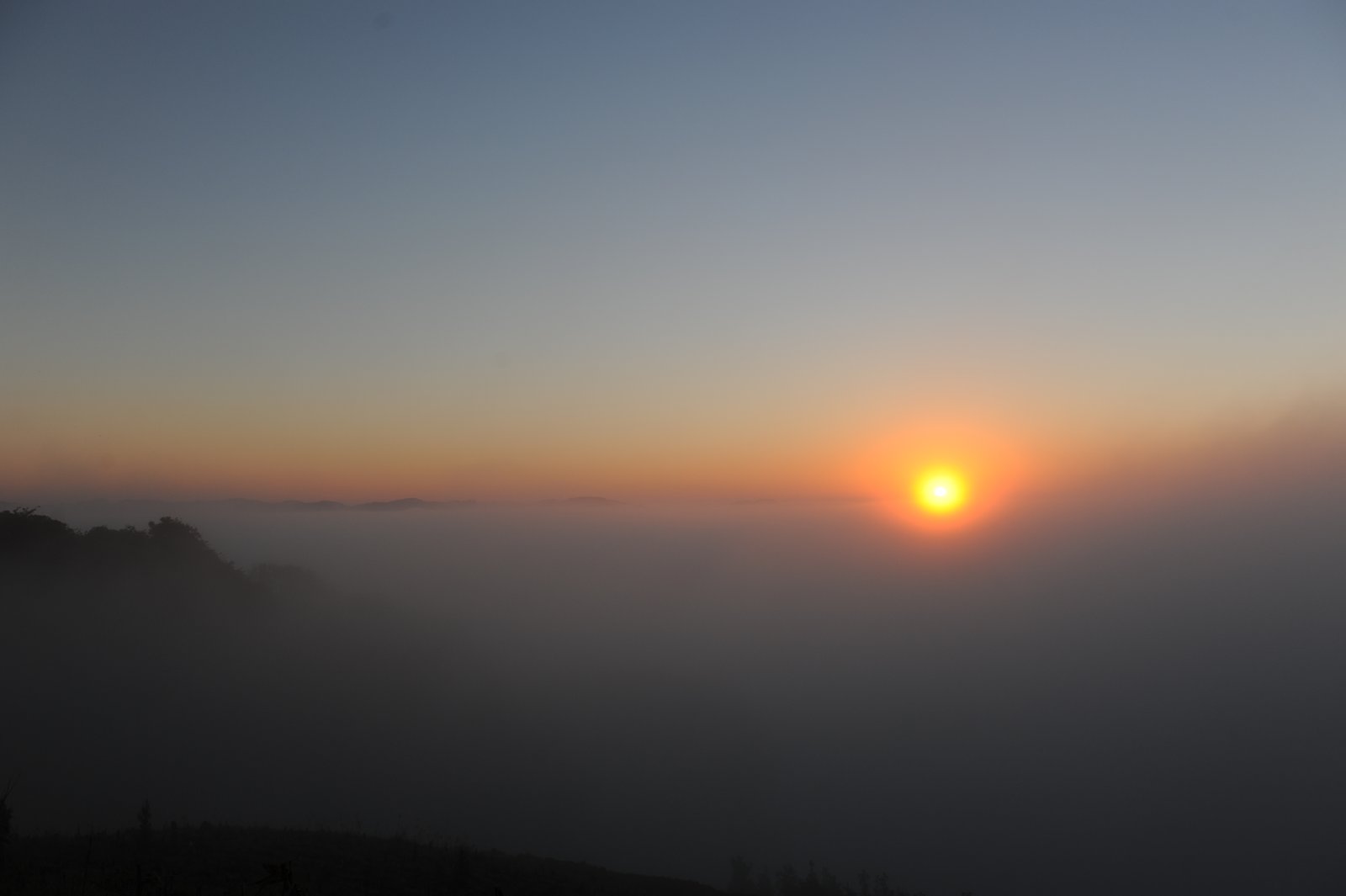
Sun setting over the mist on the hills of the Taquari Valley

What yerba mate does for you

Calm vitality, clarity, natural polyphenols and a ritual that soothes: yerba mate is an ancestral food, with centuries of use and decades of research. It does you good in the mate gourd, the cup, the iced glass, the matcha or on the plate. Here, every benefit comes with its level of evidence right beside it and a source you can check. We only promise what we can back up.

How to read the level of evidence

  • Plant compositionA fact about what the leaf contains.
  • Scientific reviewsResults of meta-analyses or reviews of several clinical studies.
  • Early studiesSmall clinical trials, or results that still need confirmation.
  • Traditional useAn association made by people who have been drinking it for generations, without a strong clinical study behind it.

Calm vitality

Plant composition

You take the first sip, and the vitality builds slowly and stays, without the spike and crash you get from coffee. It's the leaf's natural caffeine (about 70 to 80 mg per 150 ml cup) together with theobromine, the same substance found in cocoa. In the mate gourd, the cup or the latte, the effect is the same: a day with more presence.

What the science says

The most recent review (Nutrients, August 2026) measures 8.7 to 17.5 mg of caffeine per gram of dry leaf. The amount in your cup varies with the amount of yerba mate, the temperature and the steeping time. A whole thermos passing through the same mate gourd adds up to far more than one cup.

How to enjoy it

Any yerba mate in the line. For the morning, Nativa in the mate gourd or For Energy in the cup; for the afternoon, For Fit cold brew or a Yerba Matcha latte.

Sources

Clarity for what matters

Plant composition

Studying, working, driving, talking with full attention: yerba mate is the companion of anyone who needs to stay present for hours. Caffeine helps with alertness and reaction time, which is why yerba mate sits on the table across half a continent.

What the science says

The effect of caffeine on attention and reaction time is one of the most studied in nutrition. In cyclists, one trial with yerba mate showed greater use of fat as energy during exercise and a small performance gain; on perceived effort, the results are still unclear.

How to enjoy it

Chimarrão or hot mate tea in the morning; yerba mate matcha whisked with water, for a quick serving.

Sources

The leaf's natural protection

Plant composition

Yerba mate leaf is naturally rich in polyphenols, especially chlorogenic acids, at levels comparable to green tea. These are the compounds that research links to protecting cells against oxidative stress. Leaf from a mature branch, like ours, holds more of them; in yerba mate matcha, you consume the whole leaf.

What the science says

The 2026 review in Nutrients points to antioxidant and anti-inflammatory action as the most consistent evidence on yerba mate, with 28 to 44 mg of chlorogenic acid per gram of dry leaf. A systematic review from December 2025 records, in some studies with people, a reduction in inflammatory markers such as CRP and IL-6.

How to enjoy it

Green yerba mate keeps more polyphenols than roasted yerba mate. In yerba mate matcha, you consume the whole leaf.

Sources

A companion to your self-care routine

Early studies

Studies suggest that yerba mate may help the body use fat as an energy source during physical activity and contribute to small changes in weight and waist circumference, always alongside a balanced diet and movement. It is not a product for losing weight, and anyone who promises that is selling it the wrong way.

What the science says

A controlled trial showed greater fat oxidation during moderate exercise after consuming yerba mate. A 12-week clinical trial with 30 people found a modest reduction in body fat and in the waist-to-hip ratio compared with placebo. A 2025 meta-analysis considered the results on weight and lipids still inconclusive.

How to enjoy it

For Fit as a cold infusion, chimarrão before a walk, or Yerba Matcha in a shake. What makes the difference is the routine, not a single cup on its own.

Sources

Balance after meals

Scientific reviews

Recent research points to a favorable effect of yerba mate on blood glucose after eating and on markers of blood glucose control. Chimarrão or mate tea after lunch, an old habit in southern Brazil, now has a meta-analysis on its side.

What the science says

A meta-analysis of clinical trials published in 2025 found a reduction in post-meal blood glucose, glycated hemoglobin and the insulin resistance index with yerba mate consumption, with no significant effect on cholesterol or triglycerides. People with diabetes should talk to their doctor; yerba mate does not replace treatment.

How to enjoy it

Chimarrão or mate tea after meals, as they do in southern Brazil.

Sources

Lightness and hydration

Traditional use

Chimarrão, tereré and mate tea are, first and foremost, water: a thermos or a pitcher a day hydrates. Tradition links yerba mate to a feeling of lightness, tied to the gentle effect of caffeine and theobromine on the kidneys.

What the science says

The mild diuretic effect of caffeine is well known, but in people who drink it regularly it is small and does not compromise hydration. There is no strong clinical study on yerba mate specifically for this purpose, so we classify it as traditional use.

How to enjoy it

Iced tereré and cold brew when it's hot; chimarrão when it's cold.

Sources

Vitamins and minerals in the leaf

Plant composition

The leaf contains B-complex vitamins and vitamin C, plus minerals such as potassium, magnesium and manganese. The amount that reaches the cup is modest and varies with preparation, so we don't promise percentages.

What the science says

Composition analyses list these nutrients in the leaf and in the infusion. Yerba mate is a food, and no cup replaces a varied meal.

How to enjoy it

Any way of preparing it. In yerba mate matcha, the whole leaf goes in too.

Sources

A moment to come together

Traditional use

The chimarrão circle, the tereré passed from hand to hand, Arab-style mate served in small glasses, the latte shared at the coffee shop: in every culture that has adopted yerba mate, it has become both a pause and a form of hospitality. It's the benefit no energy drink delivers.

What the science says

It's not an effect of the plant, but of the habit. Regular pauses and time together show up throughout the literature on quality of life, and yerba mate is a daily reason for both.

How to enjoy it

Any of them. Just don't always drink it alone.

Yerba mate, coffee, green tea and energy drinks: compare before you choose

Yerba mate (150 ml)Brewed coffee (150 ml)Green tea (150 ml)Energy drink (250 ml)
Caffeine≈ 70 to 80 mg≈ 80 to 100 mg≈ 25 to 35 mg≈ 80 mg
Theobromineyesnotracesno
Polyphenolshigh (chlorogenic acids)high (chlorogenic acids)high (catechins)no
Caloriesalmost zeroalmost zeroalmost zero≈ 110 kcal

Approximate values per serving, for guidance. The actual content depends on the amount, the temperature and the preparation time.

Frequently asked questions

Is yerba mate bad for the heart or blood pressure?

A crossover clinical trial published in late 2024 tested acute intake of yerba mate and found no change in endothelial function, blood pressure or heart rate variability. People with hypertension or arrhythmia should talk to their doctor.

How much caffeine is in a mate gourd of chimarrão?

A 150 ml cup of infusion has about 70 to 80 mg. A whole thermos passing through the same mate gourd can add up to the equivalent of several cups of coffee. If you feel restless or have trouble sleeping, reduce the amount or stop earlier in the day.

Can pregnant women and children drink it?

Like any drink with caffeine, pregnant and breastfeeding women should limit their consumption and talk to their doctor. For children, a small amount, once in a while, and always under a pediatrician's guidance.

What is the right water temperature?

The water in the thermos is between 65 and 75 °C; passing through the yerba mate and the bombilla, each sip arrives a little less hot. Besides preserving flavor, it matters for your health: the International Agency for Research on Cancer (IARC) concluded in 2016 that yerba mate itself is not classifiable as to cancer risk; what it classifies as a probable risk is drinking any very hot beverage, at 65 °C or more. Let the water rest, then take your time.

Does yerba mate make you lose weight?

It is not a product for losing weight, and we don't make that promise. There are early studies on metabolism and body composition, described above, always in people who were also looking after their diet and exercising.

Does yerba mate contain gluten?

No. Our products contain no gluten.

Yerba mate is a food, not a medicine. The information on this page is educational, cites its sources and does not replace the guidance of doctors and nutritionists. Pregnant and breastfeeding women and people sensitive to caffeine should talk to their doctor.